What Is WeTheNorth?
The WeTheNorth Darknet marketplace emerged as a Canada-centric successor to earlier darknet trading platforms. It takes its name from a popular Canadian sports slogan, reflecting its original focus on serving the Canadian domestic market. Over time, it has expanded to accommodate buyers and vendors from across North America while maintaining its original ethos of community safety and structured governance.
Unlike many fly-by-night darknet operations, this platform established itself with a clear governance structure: a dedicated moderation team, a published ruleset, and a transparent vendor bond system. These characteristics, combined with consistent uptime and strong community reputation, have made it one of the more trusted names in the darknet marketplace ecosystem — as documented in numerous journalistic and academic sources covering darknet commerce.
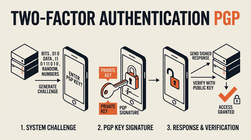
The platform operates exclusively as a hidden service (.onion) on the Tor network, meaning it is inaccessible through standard web browsers. Users must use Tor Browser to reach the correct WeTheNorth URL, and should always verify the address against PGP-signed announcements to avoid phishing clones.
Operational History
Darknet marketplaces have existed since the early 2010s when Silk Road demonstrated that anonymous commerce at scale was technically feasible. Following Silk Road's law enforcement takedown in 2013, a succession of platforms — AlphaBay, Hansa, Dream Market — rose and fell. WeTheNorth emerged in the Canadian space after the closure of several domestic-focused markets, filling a gap for Canadian buyers who had previously relied on US-centric platforms.
What distinguishes its operational history is relative stability — a rare quality in the darknet marketplace space where exit scams and law enforcement actions regularly disrupt services. The platform has maintained consistent access through multiple mirror links and onion addresses, including the use of current v3 onion technology that provides a longer, more collision-resistant address format.
Technical Architecture
The marketplace is built on a hidden service infrastructure using Tor's v3 onion protocol. V3 onion addresses are 56 characters long, use elliptic curve cryptography for the service's public key, and provide stronger authentication than the older v2 format. This makes it significantly harder to create convincing typosquatting phishing URLs, though phishing attempts still occur frequently.
From a security architecture perspective, the platform follows a server-side encrypted database model where user data is encrypted at rest. Order details — including shipping addresses — should be PGP-encrypted by the buyer before submission, ensuring that even a server compromise would not expose plaintext shipping information. The marketplace enforces PGP 2FA on login to prevent credential-based account takeovers.
Community and Governance
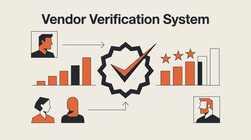
The marketplace's community framework is one of its most distinguishing features. A dedicated forum section allows vendors and buyers to communicate, share feedback, and raise platform-level concerns. Vendor reputation is built through verified transaction feedback — reviews are cryptographically linked to confirmed purchase records, preventing fake testimonials.
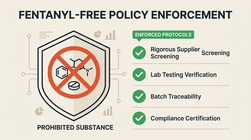
The platform enforces a strict acceptable use policy. Notably, it maintains a hard ban on fentanyl and carfentanil listings — a policy that, according to public reporting, is actively enforced with permanent account bans for violations. This stance aligns with broader harm reduction principles and has earned the platform a degree of credibility in communities that prioritize user safety.